What a Professional Safety Check Covers
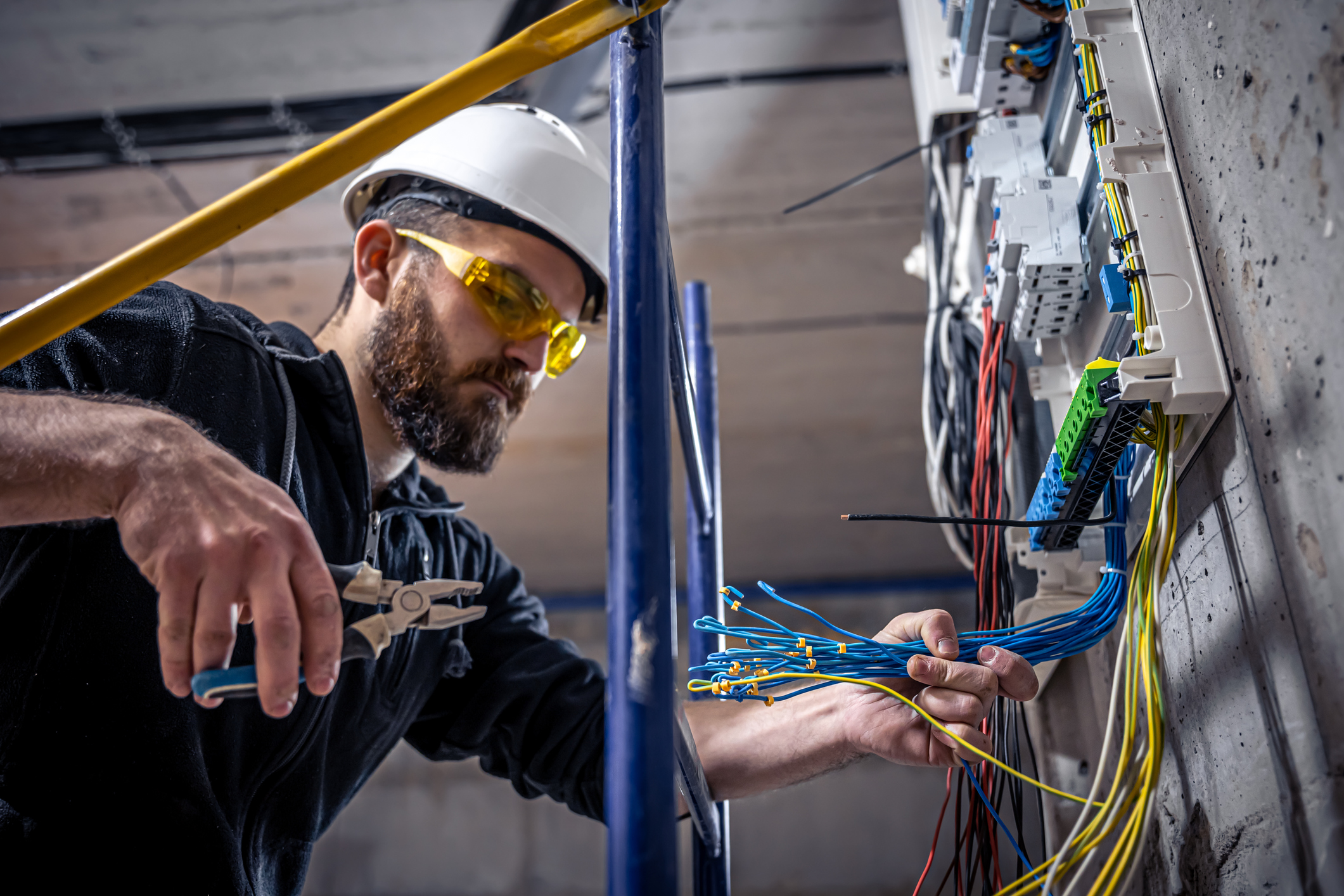
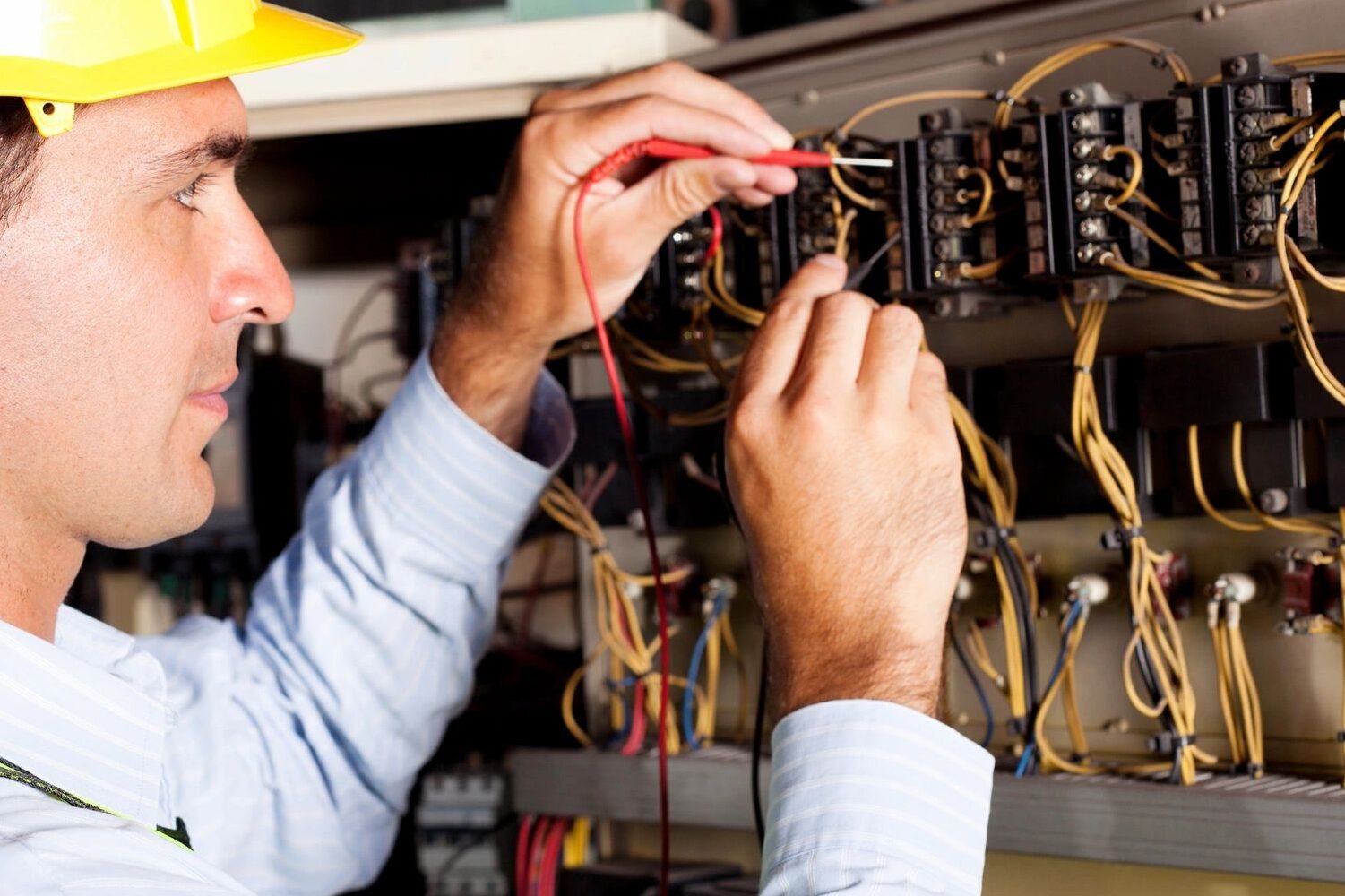
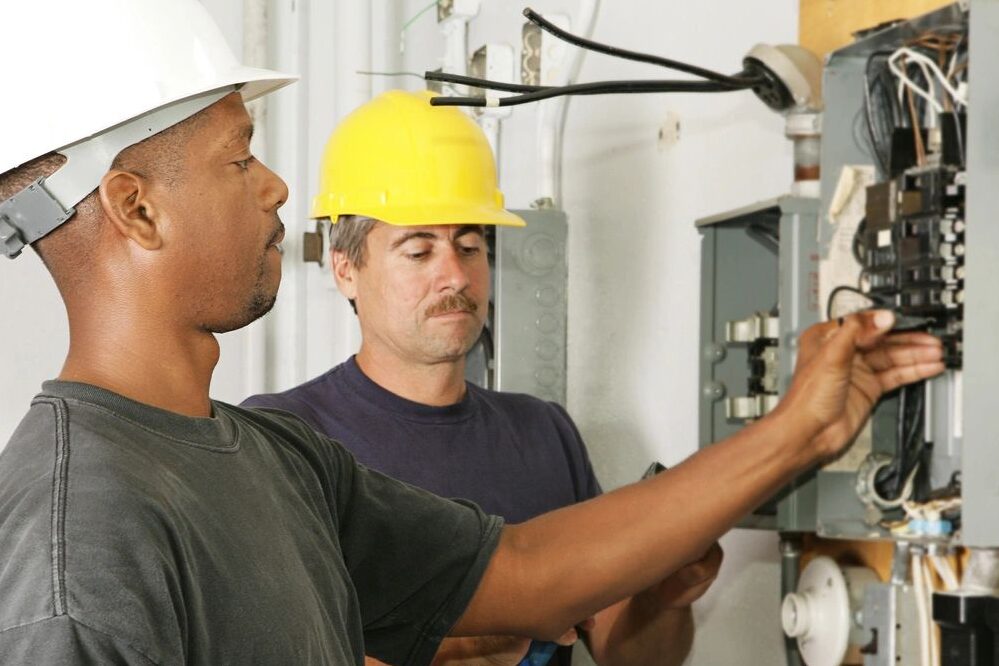
A thorough home electrical safety inspection helps identify hazards before they become expensive or dangerous. During an inspection, a licensed electrician evaluates the full system for safety, performance, and code compliance.
1) Electrical Panel Condition
The panel is checked for proper labeling, overheating signs, damaged breakers, corrosion, and loose connections. Capacity is also reviewed to ensure your system can handle your home’s current load.
2) Wiring Integrity
Electricians inspect for damaged insulation, exposed conductors, improper splices, and outdated wiring types that may not meet modern safety standards.
3) Grounding and Bonding
Grounding components are tested to confirm fault current can safely route away from occupants and equipment, reducing shock and fire risk.
4) Outlets, Switches, and GFCI Protection
Outlets and switches are checked for looseness, heat, burn marks, and grounding. GFCI protection is verified in kitchens, bathrooms, basements, garages, and exterior locations.
5) Circuit Loading and Breaker Performance
Inspectors look for overloaded circuits, mismatched breaker sizes, and poor distribution of high-demand appliances. Proper breaker operation is essential for fault protection.
6) Detectors and Life-Safety Devices
Smoke and carbon monoxide detectors are reviewed for placement, power source, and functionality to support whole-home safety readiness.
7) Fixtures, Appliance Connections, and Surge Protection
Lighting fixtures and appliance circuits are checked for secure wiring and safe operation. Whole-home surge protection may be recommended to protect electronics and appliances.
Why Routine Inspections Matter
Regular inspections can prevent electrical emergencies, improve reliability, and reduce long-term repair costs. They also provide peace of mind when buying, renovating, or upgrading a home.
Need a home electrical safety inspection in Bucks County or Montgomery County, PA? Contact Manders Electric to schedule a licensed inspection.